Breast Cancer! I can’t possibly get it!! Or can I??
The first question a patient almost always asks me is, “Doctor, are you sure I have breast cancer? It can’t be, because no one in my family ever had it!” It becomes quite difficult for me to answer that question, mainly because we still don’t have very clear answers! The fact is, most patients developing breast cancer in our country fall in the sporadic/ non- familial category. A very small minority of patients have a strong family history ( blood relatives- mother/ sister, developing it before the age of 60).
Interestingly, most Indian patients do not even fall in the High risk category: early menarche ( the start of one’s periods), late menopause (cessation of one’s periods), obesity, having no children, not breastfeeding , multiple miscarriages/ abortions and alcohol/tobacco consumption. (These risk factors are now on the rise in the urban population, but I still see quite a few of my patients without these risk factors)
So, the million dollar question remains: who can get breast cancer?
The answer: Anyone can.
I must confess, we still don’t know what really causes cancer.
Gene mutations, urbanisation, changing dietary habits, environmental factors, increased longevity may all be playing their part, but we can’t pinpoint a single cause as the most important one. So, how does one protect oneself from developing it? I feel the most sensible thing to do is to pick up a problem before it has developed into one and nip it in the bud. You may ask me how.
Breast self examination:
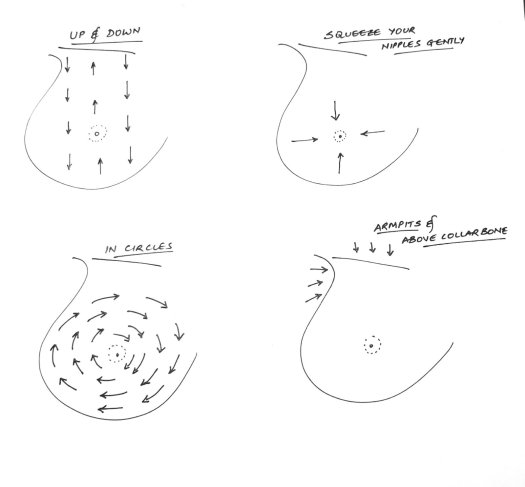
The single most but often neglected test. Examine your breasts every month, preferably a week to 10 days after your periods (when they are least tender or lumpiest) in front of the mirror, preferably while bathing. Look out for any subtle skin, nipple or areolar changes or retraction. Gently squeeze
the nipples to look for any clear or bloody nipple discharge.
These are basic techniques of examination. The examination has to be carried out with the flat of your hand. A distinct lump will feel like a marble rolling between your hand and your chest.
Mammogram:
A very basic but important investigation, recommended for women over the age of 40. However, if I suspect a problem, I may ask for it, irrespective of the age. Most women cringe at the thought of having a mammogram, but I feel it is a very important test, more so because it can often pick up cancers before they form a lump in the breast. The impact of early detection is enormous, as early breast cancer has a much better prognosis.
Diet:
A lot has been written about diet and lifestyle and breast cancer is no different. A well-balanced diet, with regular exercise in any form, is the best medicine one can give oneself.
Conclusion:
To summarise, anyone at any age can develop breast cancer. Early detection by self-breast examination, a regular mammogram and investment in diet and exercise can help you in preventing and treating breast cancer effectively.
http://www.breastoncocare.com/
About Dr. Neemesh Lodh
Dr. Neemesh Lodh is a well known and best breast cancer surgeon having the tremendous work experience in his field. He completed his MBBS from Terna Medical College, Navi Mumbai in 2004, Later he completed his Diplomat of National Board (DNB) in General Surgery from Jagjivan Ram Western Railway Hospital, Mumbai in 2007. He has also successfully completed his Clinical Research and Fellowship in Breast Diseases.
Dr. Neemesh Lodh has a excellent experience in working with hospitals like Currae Group of Hospitals, Thane and Aims Hospital in Dombivali. He has also worked as a consultant in General Surgery and Breast Diseases at Bhaktashrestha Kamlakarpant Walawalkar Hospital (BKLWH) Diagnostic & Medical Research Centre, Dervan, Maharashtra, India.
AWARDS AND DISTINCTIONS:
1) Final MBBS – Part I - Distinction in ENT
2) Final MBBS – Part II – Distinction in General Surgery.
3) Recipient of the B-Braun Scholar Award 2008 for outstanding achievement in post-graduate medical studies in the field of General Surgery.
4) Awarded the Best Experimental Research Paper Award for paper on ‘Acute Limb Ischemias- How are we faring?’ At Association of Surgeons of India conference (ASICON) 2008, Ludhiana.
SCIENTIFIC PRESENTATIONS:
1). Correlation of MMG, USG and MRI in patients with Nipple discharge: Deshmane VH, Lodh N, et al. Poster presentation- San Antonio Breast Cancer Symposium 2011.
2). Ductoscopy and MRI in patients with nipple discharge: Deshmane VH, Lodh N, et al. Poster presentation- San Antonio Breast Cancer Symposium 2010.
3). Predictive factors for a successful arterio-venous access for haemodialysis: Neemesh Lodh, WIMJOURNAL, Volume No.1,2014, Pg 18-27.
DISSERTATION:
Successfully submitted a thesis titled “A study of predictive factors for successful AV access procedures for Haemodialysis” to the National Board of Examinations in 2010.
MEMBERSHIPS:
1) Association of Surgeons of India (ASI) Reg. No. AA21741
2) Maharashtra Medical Council (MMC) Reg. No. 2005/05/0945
CONFERENCES ATTENDED
- New Frontiers in Breast & Thoracic Malignancies: P.D. Hinduja Hospital & Medical Research Centre, April 2017.
- Year in Review: Breast Cancer Conference, Tata Memorial Hospital, Mumbai, January 2017.
- Advances in Breast Cancer – As Faculty- The 2nd Joint Breast Cancer Symposium of the Indian Cancer Society, Tata Memorial Hospital (Women’s Cancer Initiative ) & GOKARMA Oncology Association, Aamby Valley, Lonavla, October 2016.
- Advances in Breast Cancer – The 1st Joint Breast Cancer symposium of the Indian Cancer Society, Tata Memorial Hospital (Women’s Cancer Initiative) & GOKARMA Oncology Association, Goa, October 2014.
- 10th Women’s Cancer Initiative Conference- Tata Memorial Hospital, Mumbai, India, September 2012.
- Evolution of loco-regional therapy and recent update of EBCTG Meta-analysis, Mumbai, October 2012.
- Basic Course On Microsurgical Techniques at Ethicon Institute of Surgical Education, Mumbai, May 2012.
For more information visit: www.breastoncocare.com
Breast Pain
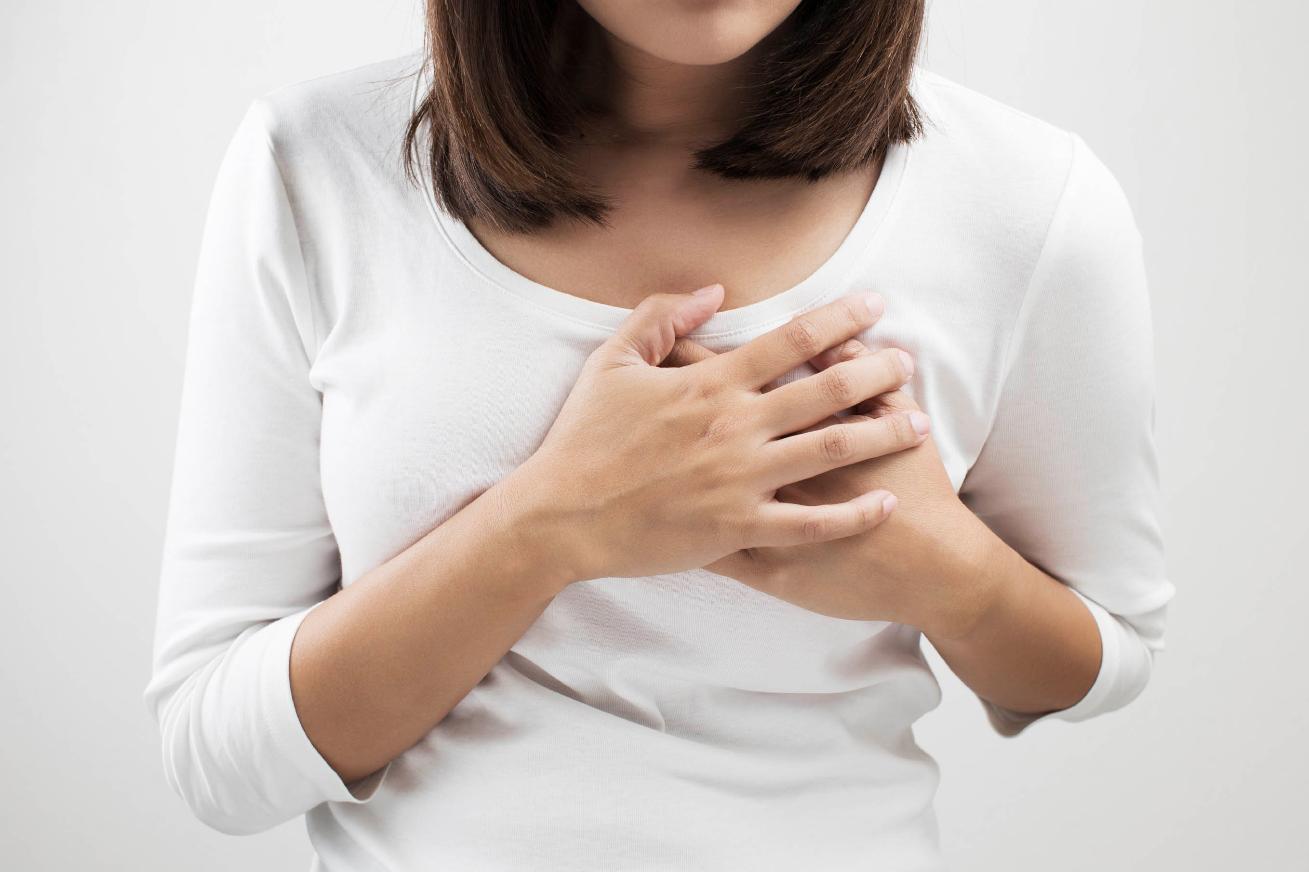
Breast pain ( mastalgia) is one of the commonest issues in women of all ages. It can happen to anyone and at any age. It may or may not be associated with breast tenderness: mastodynia ( pain on touching or palpating the breast).
Both these terms (mastalgia and mastodynia) are different, but they address the same problem. Breast pain may or may not be associated with a lump as well. It is important to note that breast pain is not commonly associated with breast cancer.
If you have breast pain, a complete history and a thorough clinical examination are important in diagnosing the cause and prescribing the correct treatment.
Your doctor may want to know many details, which you may feel awkward or unnecessary, but these are important nonetheless. Breast pain is commonly seen in women aged 20-40 years, but as I stated before, no age is exempt. The pain may be cyclical, ( waxing and waning in relation to the menstrual cycle) or non cyclical. There may also be associated tenderness and heaviness, especially with cyclical mastalgia. You may be asked to maintain a breast pain diary, to record the intensity of the pain, your levels of stress and your periods. This diary helps in analysing the pain better. Apart from this, a mammogram and ultrasound of the breast may also be advised as part of the evaluation.
Treatment:
The most important bit: treatment of breast pain is entirely released to understanding the cause of the pain.
Most women will have normal examination and mammogram findings. In such women, breast pain is commonly attributed to these causes:
- Stress
- Ill fitting bras
- Inadequate water intake
- Essential fatty acid deficiency
Important fact: breasts have a lot of sensory nerve endings, hence they respond to stress…
Stress often triggers and worsens breast pain.
Stress is the most common underlying factor in most women complaining of breast pain.
Meditation, deep breathing exercises, yoga are very helpful in this regard.
Ill fitting bras are something a lot of women tend to neglect.
A well fitting bra or a sports bra will often give dramatic relief.
Plenty of oral fluids are recommended, as we do not realise our dehydrated status because of working in closed environments.
Some women also benefit from intake of evening primrose oil, which contains Gamma linolenic acid, an essential fatty acid.
Bottomline:
Most women with breast pain do not have cancer. But, a thorough evaluation is required to rule out the possibly.
Most often, reassurance, a few lifestyle changes and very rarely medicines are all that are required to treat the niggling problem.
#BreastCancerSurgeon #Breastcancer #BreastOncologiest #Breastsurgery #BreastSurgeon #symptomsforbreastcancer #breastcancerssymptoms #causesofbreastcancer #Thane #kalwa #Dombivli #Kalyan #Diva #Ambernath #Badlapur #Ulimhasnagar.
Male breast cancer
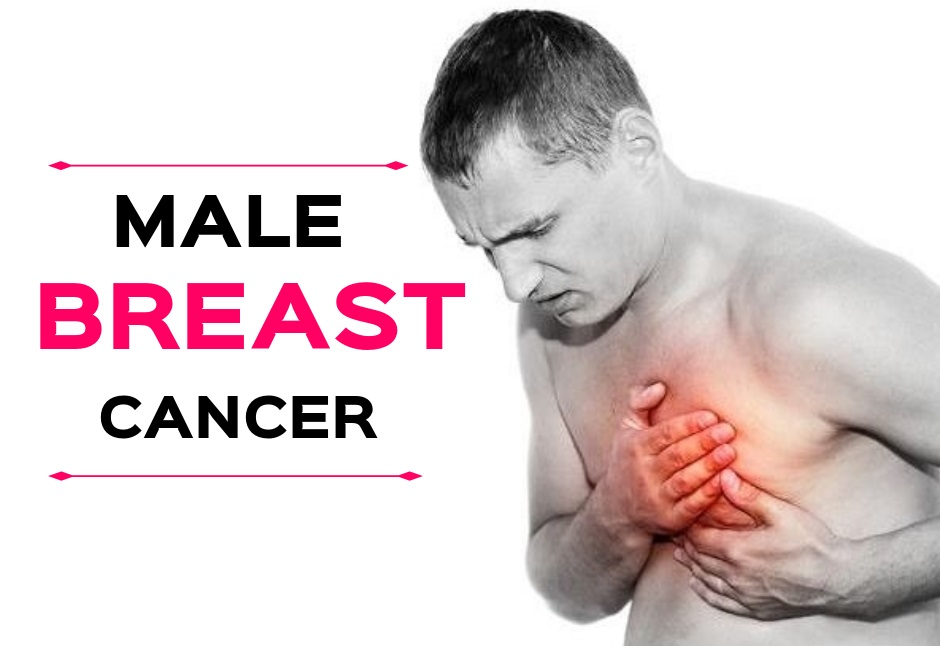
Recently I came across and treated a male patient suffering from breast cancer.
That spurred me into writing this post.
The occurrence of breast cancer is well known in women; men rarely suffer from the disease. However, we do encounter a couple of cases every year.
Male breast cancer, just as in women, often presents with a slow growing lump, which is initially painless and hence ignored.
Men do not have a lot of breast tissue, hence the tumour tends to invade and involve the skin and/ or the chest wall earlier. And that’s why male breast cancers tend to fare worse than female breast cancers.
The diagnosis and treatment of the condition is the same as in women, involving a mammogram, ultrasound and biopsy for diagnosis.
Treatment involves removal of the entire breast tissue along with the axillary lymph nodes ( Modified Radical Mastectomy). The need for Adjuvant Radiotherapy, Chemotherapy and Hormone therapy is based upon the histopathology report.
If treated in time, men have also been found to fare just as well as women.
Dr.Neemesh Lodh Breast Onco Surgeon,
Call For Appointment : 7507577546
http://www.breastoncocare.com/
Breast Lumpectomy |Modified radical mastectomy |Nipple and skin sparing mastectomy |Breast reconstruction |Breast conserving surgery |Breast oncoplastic surgery |Axillary clearance |Sentinel lymph node mapping |Needle localized excision |Port insertion |Microdochectomy |Male breast cancer surgery |Gynaecomastia surgery |Accessory breast surgery |
Breast Cancer Surgeon |Best breast cancer surgeon | best breast cancer hospital |breast oncologist| breast surgeon |breast onco doctor| doctor for breast cancer treatment| breast cancer surgery |breast tumor removal | types of breast surgery |types of breast cancer surgery |best breast cancer surgeons |
Thane |Mulund | Airoli |Mahape |Taloja | Navi Mumbai | Mumbai | New Mumbai | Kalwa | Diva| Mumbra| Dombivli | Kalyan |Ambernath | Badlapur | Thakurli |Nasik | Pune | Dhule | Nanded | Alibag | wai | Surat | Gujrat | Ahmadabad| Karjat | Kasara| Sakhri | Satara| Satana |